


How we control cable tie quality — from PA66 pellet to packed carton
At Anhui Shangbo Plastics, every cable tie, zip tie and wire tie passes strict, standardised testing against international benchmarks — so your shipments perform reliably in electrical, construction, automotive and telecom applications, container after container.
Our investment in advanced infrastructure
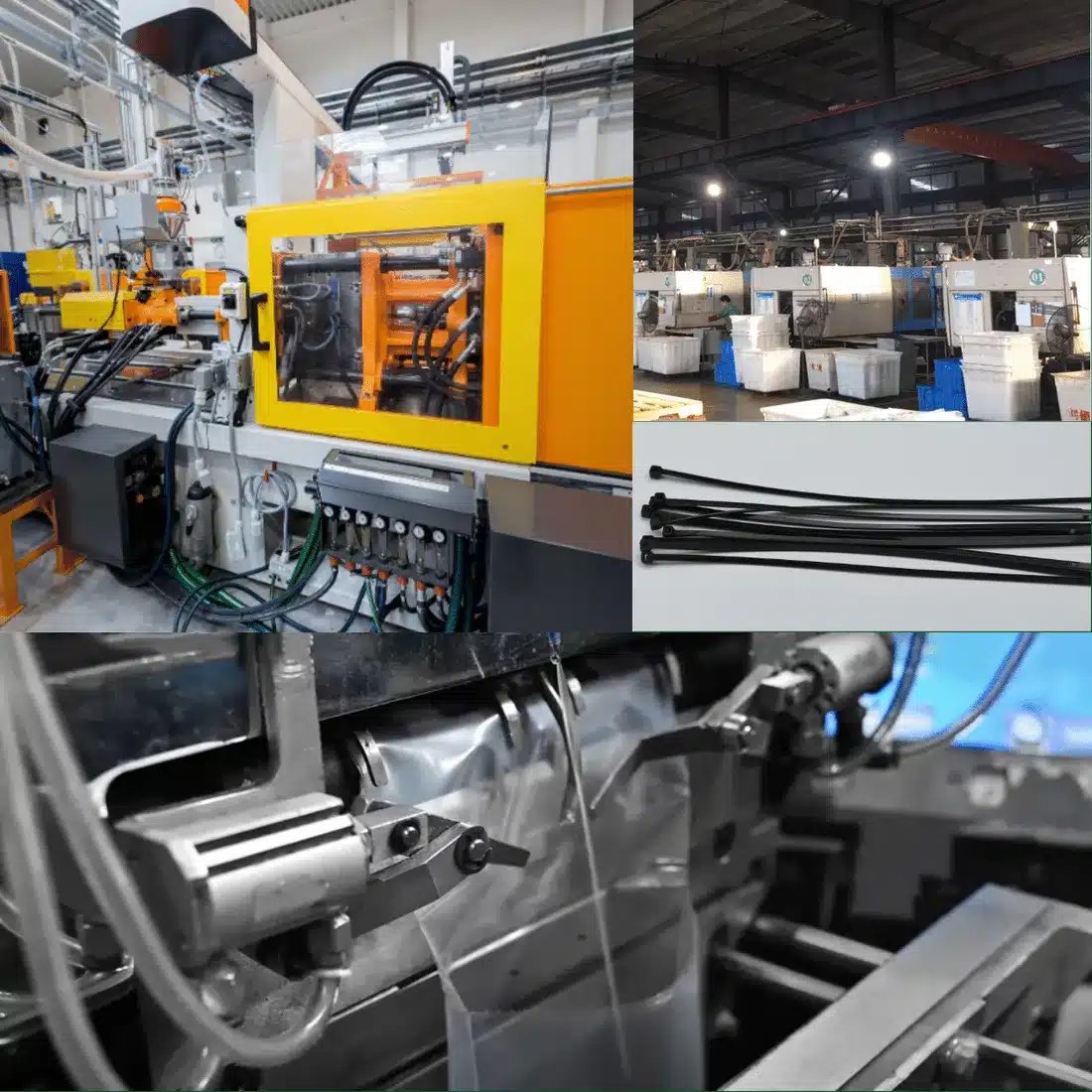
Consistent quality starts with the right equipment. Our Bozhou, Anhui facility runs precision hot-runner moulds and automated injection lines, backed by a fully equipped in-house testing laboratory — so defects are caught at the machine, not at your warehouse.
Nylon cable tie hot-runner moulds for every size & specification
High-speed single-cylinder injection machines for high-volume, low-defect output
Laboratory test instruments — tensile, temperature, UV, moisture & melting point
Rigorous testing at every stage
Nine checkpoints stand between raw material and your shipment — each with dedicated in-house equipment and documented results available on request.
Raw Material Verification
Every batch of PA66 (nylon 6/6) is verified before it enters production. A melting point tester confirms the polymer’s thermal properties, and moisture analysers check water content — because excess moisture weakens tensile strength while too little causes brittleness in storage.
We work only with audited suppliers and retain a certificate of analysis for every incoming batch. Pellets are colour-coded and cross-checked against the purchase order before release to the production floor, so the wrong grade never reaches a mould.
- 10 samples per batch, plus a control group held back for comparison
- Suppliers re-audited on a fixed schedule, not just at onboarding
- Non-conforming pellets are quarantined, never blended into a production run

Moulding Process Control
Precision hot-runner moulds and monitored machine parameters — temperature, pressure and cooling rate — keep every cable tie dimensionally consistent. Operators run visual inspections and dimensional checks at the machine, so defects are stopped in-process, not discovered after packing.
Each of our 21 high-speed injection machines runs to a locked process recipe, logged per shift. Any drift outside tolerance halts the line automatically until an operator resets and re-validates the parameters.
- Barrel temperature, injection pressure and cooling rate logged every shift
- First-article approval on every mould change before a run starts
- Automatic line halt on parameter drift outside tolerance
Tensile & Mechanical Testing
Double-arm tensile testers verify loop tensile strength against the rated value of every size — plus elongation and impact resistance checks. This is the test that matters most to electrical wholesalers: the tie must hold its stated load without breaking or deforming.
Every size in our range has a published minimum loop tensile strength, tested to international benchmark methods. Sample sets are pulled from each production batch, not just at new-mould qualification, so strength stays consistent container after container.
- Loop tensile strength tested against the published minimum for every size
- Elongation and impact resistance checked alongside breaking load
- Sampled from every production batch, not only at mould qualification

Melting Point Verification
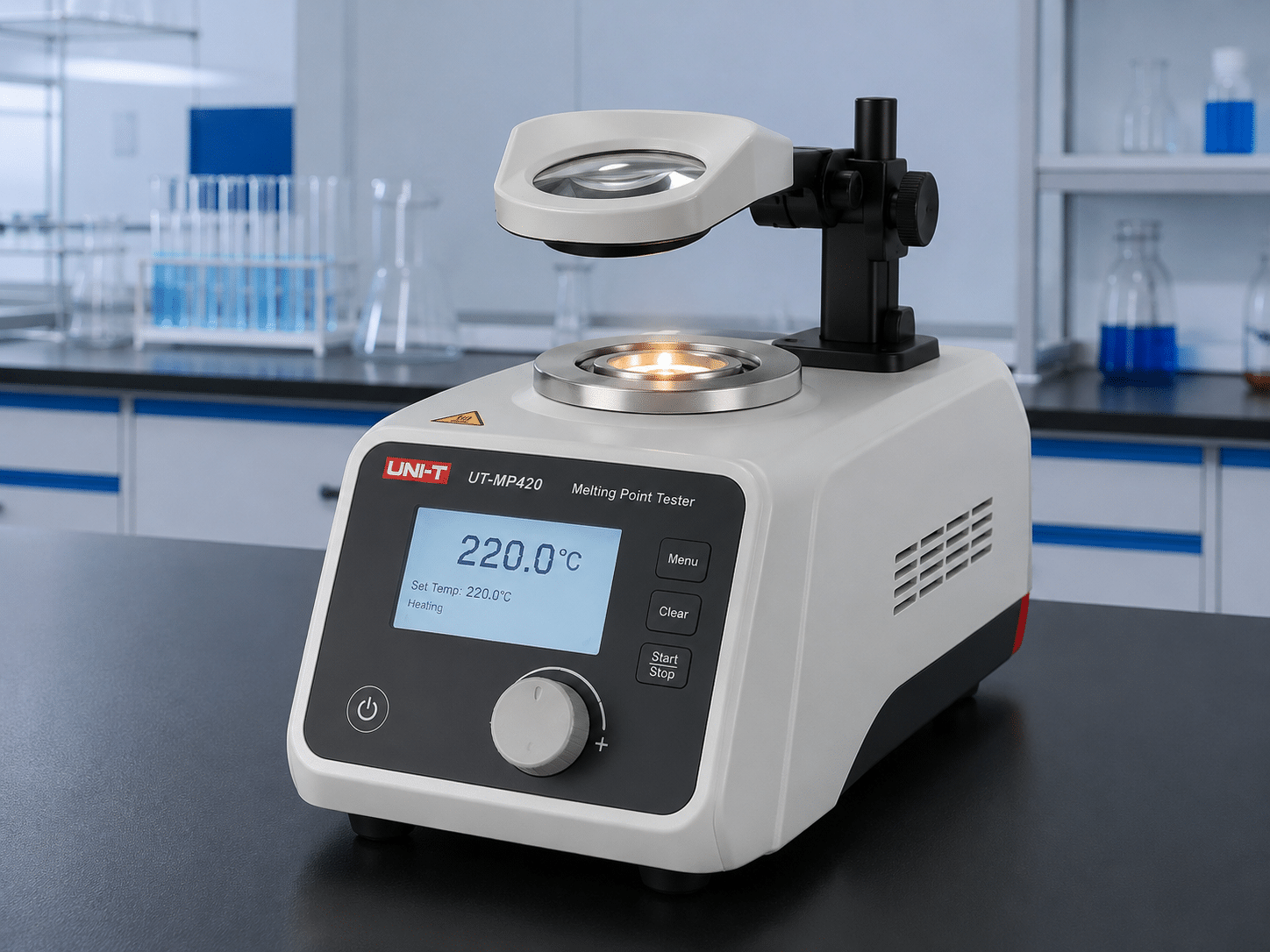
Each PA66 batch is checked on a dedicated melting point tester to confirm the exact polymer grade before it enters production. This distinguishes standard PA66 from heat-resistant and low-temperature variants — so the material matches the spec on your purchase order, not just a generic “nylon” label.
This test also catches grade mix-ups early: standard PA66, heat-resistant PA66HS and flame-retardant PA66 V0/V2 can look identical as raw pellets but perform very differently under load. Getting this right at intake prevents costly errors downstream.
- Confirms exact polymer grade before a batch reaches the mould
- Distinguishes standard, heat-resistant and flame-retardant PA66 variants
- Reference temperature set to 220°C, raised stepwise to confirm melt onset
Moisture Content Testing
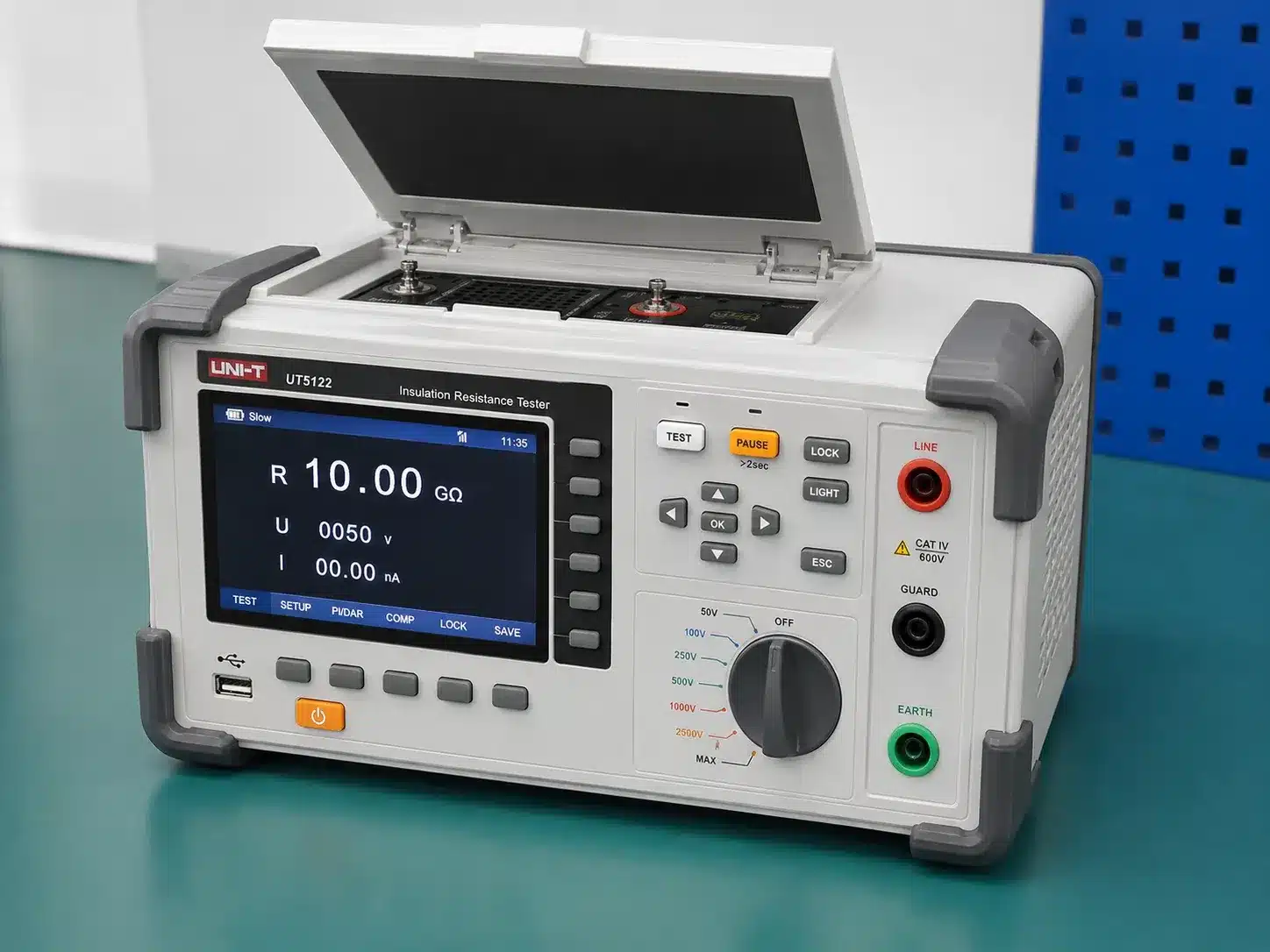
PA66 nylon is hygroscopic — it absorbs moisture from the air, which directly affects tensile strength and flexibility. Our quick moisture tester checks each batch stays within the optimal moisture window before moulding, so finished ties don’t turn brittle in storage or transit.
PA66 can pick up ambient moisture within hours of an opened bag. Our target window is tight — around 2.5% moisture content under standard conditions — checked before moulding and again on finished stock awaiting shipment.
- Target window held near 2.5% moisture content under standard conditions
- Checked before moulding and again on finished stock before shipment
- Opened bags resealed immediately to prevent re-absorption
High-Low Temperature & Humidity Cycling
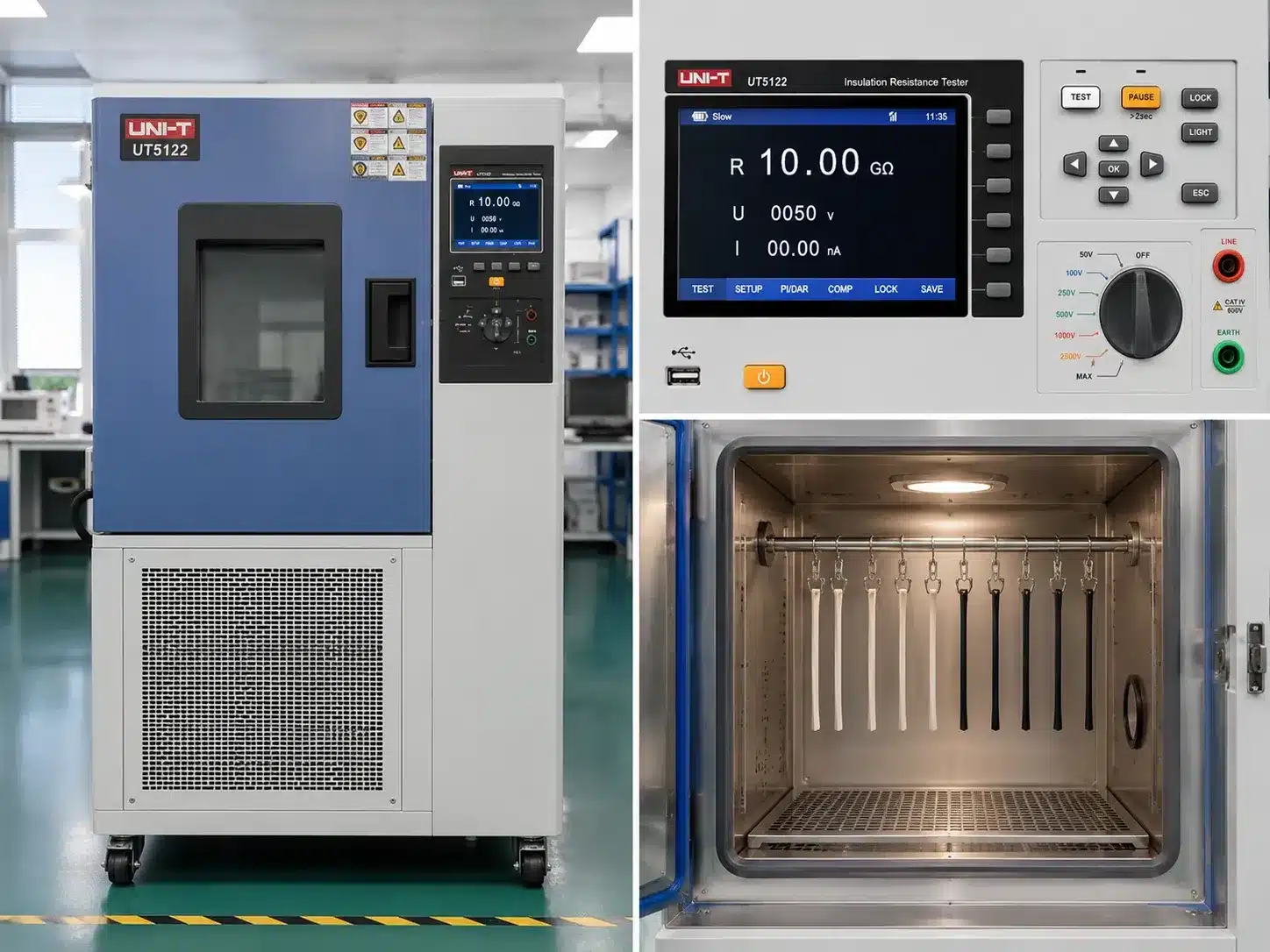
Samples are cycled through extreme heat and cold in our environmental chamber to simulate outdoor, industrial and transport conditions. Ties are tensioned and bent after each cycle to confirm they stay flexible and don’t crack — verifying real-world performance from -40°C to +105°C depending on material grade.
Samples are cycled between -20°C and +85°C as standard (extendable to -40°C for cold-climate grades) with bend and tension tests after each cycle. This is the test that predicts how a tie behaves in a cold winter or on a hot rooftop installation — not just in our lab.
- Standard cycle: -20°C to +85°C, extendable to -40°C for cold-climate grades
- Bend and tension tests run after every cycle, not just at the end
- Validates real transport and outdoor storage conditions, not just point-of-sale
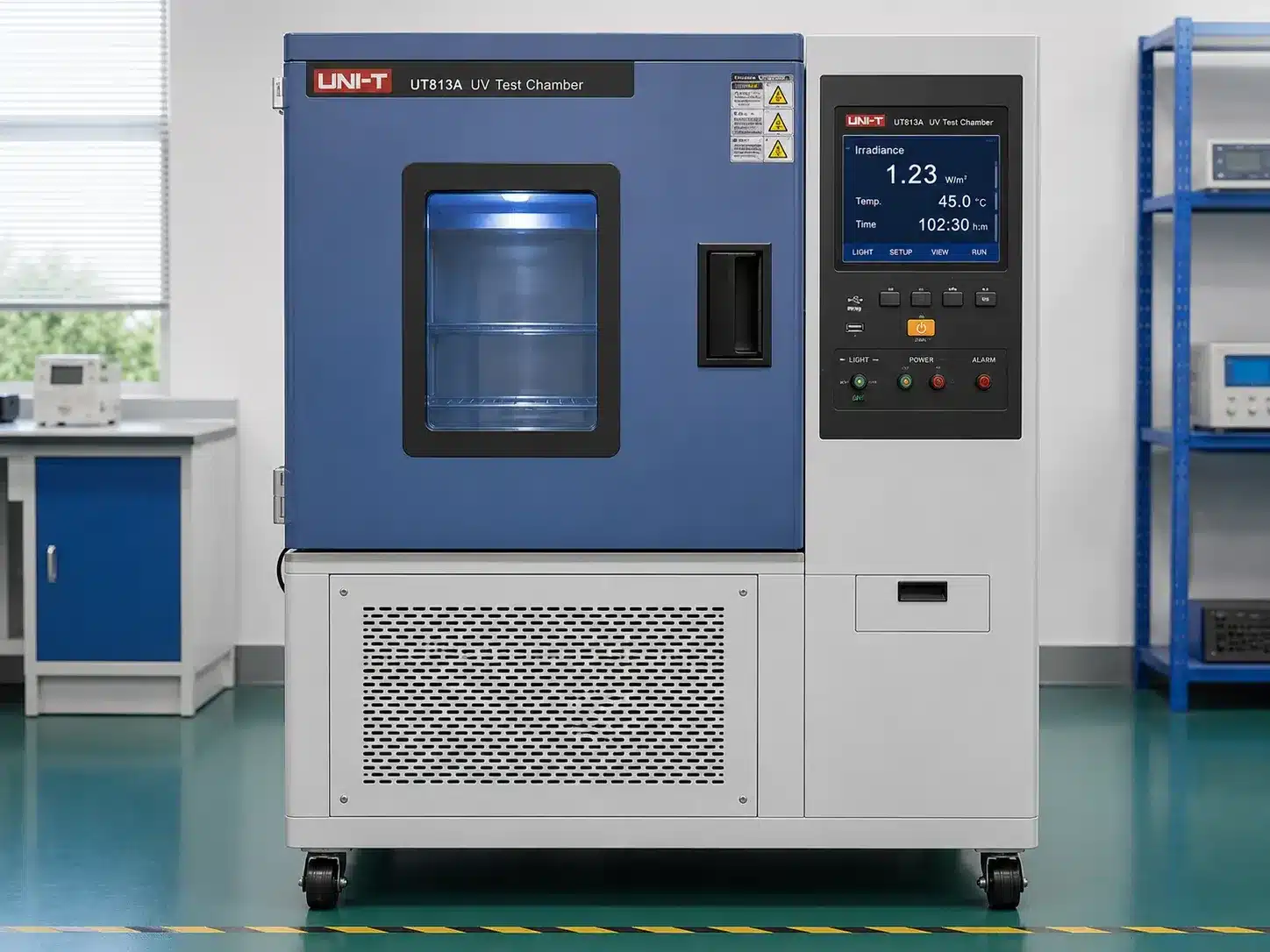
UV Weather Resistance Testing
Our UV weather resistance chamber simulates long-term sunlight exposure under controlled temperature and humidity, verifying discoloration, cracking and mechanical strength loss over an extended cycle. This is how we validate the UV-stabilised grades used in solar, telecom and outdoor construction orders.
Repeated UV exposure cycles with rest periods simulate months of outdoor sun exposure in days. Test and control groups are compared for discoloration, cracking and post-exposure bend strength before we certify a batch UV-stable.
- Repeated UV cycles with rest periods simulate months of sun exposure in days
- Test vs. control group compared for discoloration and cracking
- Post-exposure bend strength confirmed before a batch is UV-certified
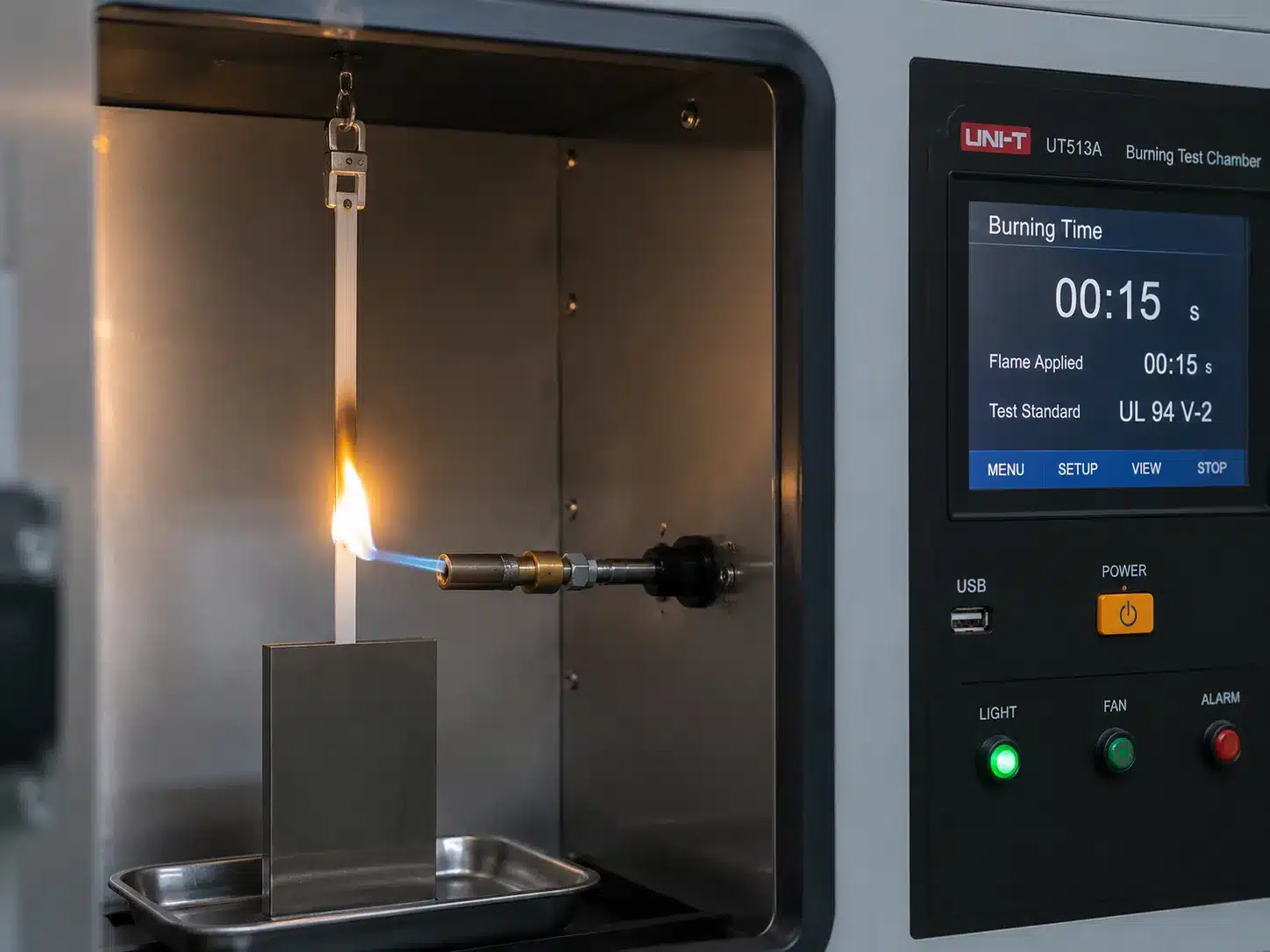
UL94 Flammability Testing
Flame-retardant grades are tested to the UL94 standard in our dedicated flammability chamber, covering both horizontal (HB) and vertical (V0/V1/V2) burn classifications. Afterflame time, burning rate and dripping-particle behaviour are all recorded against the required thresholds for each classification.
We test both the horizontal burn rate and the vertical afterflame and drip behaviour, matching the classification requested on your order. Certificates referencing the specific test batch are issued alongside your shipment documentation.
- Covers horizontal (HB) and vertical (V0/V1/V2) burn classifications
- Afterflame time, burn rate and drip behaviour all recorded
- Results matched to the classification on your order, not assumed
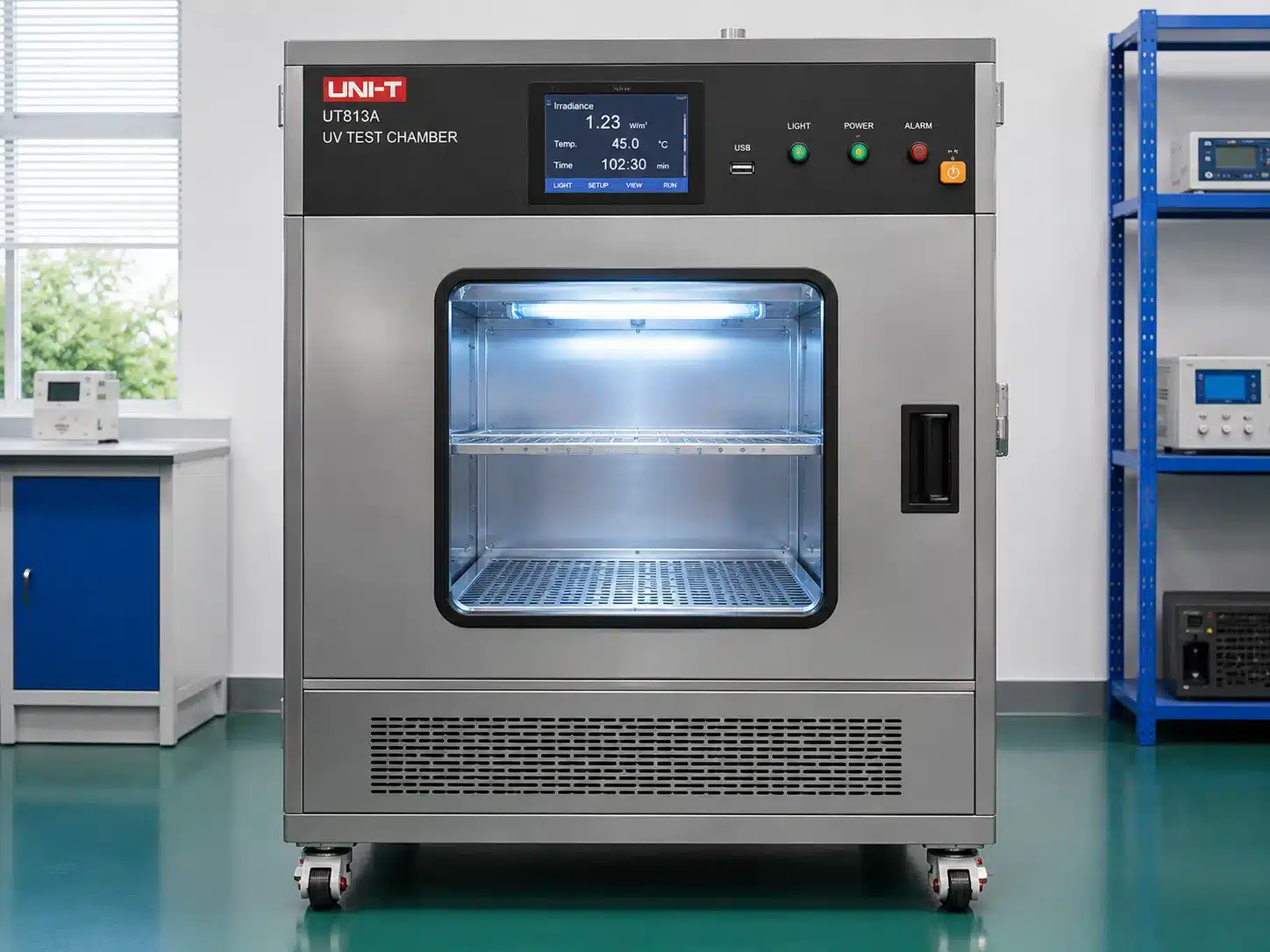
Flame Test in Action
A live vertical burn test on a production sample — an open flame is applied for a defined duration and the specimen is checked for afterflame time and flaming drips. Results classify each grade as V0, V1 or V2, so buyers ordering flame-retardant ties know exactly what standard their batch meets.
This is the same test method referenced in your certificate of compliance — not a marketing claim, but a documented, repeatable procedure run on the specific batch shipped to you.
- Flame applied for a defined duration per the UL94 method
- Specimen checked for afterflame time and flaming drips
- Test run on the specific batch referenced in your certificate of compliance
Material Characteristics Comparison
Choosing the right material grade depends on flammability rating, oxygen index and the temperature range your application demands. This table summarises the materials we manufacture with, so you can confirm the correct spec before ordering.
Material / Variant
Code
Flammability
Oxygen Index
Applicable Temp. Range
Polyamide66 — General
PA66
UL94V-2
28
-40°C to +85°C
Polyamide66 — Weather Resistance
PA66W/UV
UL94V-2
28
-40°C to +85°C
Polyamide66 — Heat Resistance
PA66HS
UL94V-HB
28
-40°C to +105°C
Polyamide66 — Heat + Weather Resistance
PA66HSW
UL94V-HB
28
-40°C to +105°C
Polyamide66 — Low Temperature Resistance
PA66
UL94VHB
28
-40°C to +85°C
Polyamide66 — Cold Resistance
PA66
UL94VHB
28
-50°C to +85°C
Polyamide66 — Flame Retardant, Oil + High-Temp Resistant
PA66UV+V2
UL94V-2
28
-30°C to +180°C
Polyamide66 — Flammability Grade V0
V0
UL94V-0
28
-40°C to +85°C
Polyamide46 — High Temperature Resistance
PA46HR
UL94V-2
—
-40°C to +165°C
Polyamide12 — Weather Resistance
PA12W
UL94HB
27
-40°C to +85°C
Polyamide11 — Heat + Weather Resistance
PA11
UL94HB
20
-40°C to +105°C
Polyamide6 — General
PA6
UL94V-2
21
-20°C to +85°C
Polypropylene — General
PP
—
26
-30°C to +85°C
Polyethylene — General
LDPE
—
17
-40°C to +85°C
ETFE (Tefzel®) — UV + Chemical Resistance
TEFZEL
UL94V-0
17
-60°C to +170°C
Minimum installation temperature ranges from -10°C to -40°C depending on grade — confirm with our team for cold-climate installations.
Our quality control process, step by step
Standards & Specifications
Every order starts from a written spec — sizes, tolerances, tensile ratings and the standards that apply (ISO 9001 quality system, IEC 62275 product testing, RoHS material limits).
Incoming Material QC
PA66 batches are tested for melting point and moisture before release to production. Non-conforming material never reaches a machine.
In-Process Inspection
Visual checks, dimensional measurement and first-article approval on every machine, every shift — with parameters logged for traceability.
Post-Production Testing
Finished batches are sampled for tensile strength, temperature performance, UV resistance and flame retardancy in our in-house laboratory.
Documentation & Traceability
Inspection reports, certificates of compliance and batch traceability codes accompany every shipment — ready for your audit file, with third-party pre-shipment inspection available on request.
Continuous Improvement
Customer feedback, test data and operator training feed back into the process — so quality holds steady as volumes scale across repeat container programs.
Inside our Bozhou production facility
Real photos from our workshop — the machines, people and processes behind every carton we ship.


Storage & Handling Guidelines
Correct storage keeps PA66 within its optimal moisture and temperature window, so ties perform to their tested spec all the way through your supply chain.
Do not store in direct sunlight

Keep away from heat sources

Keep sealed until use
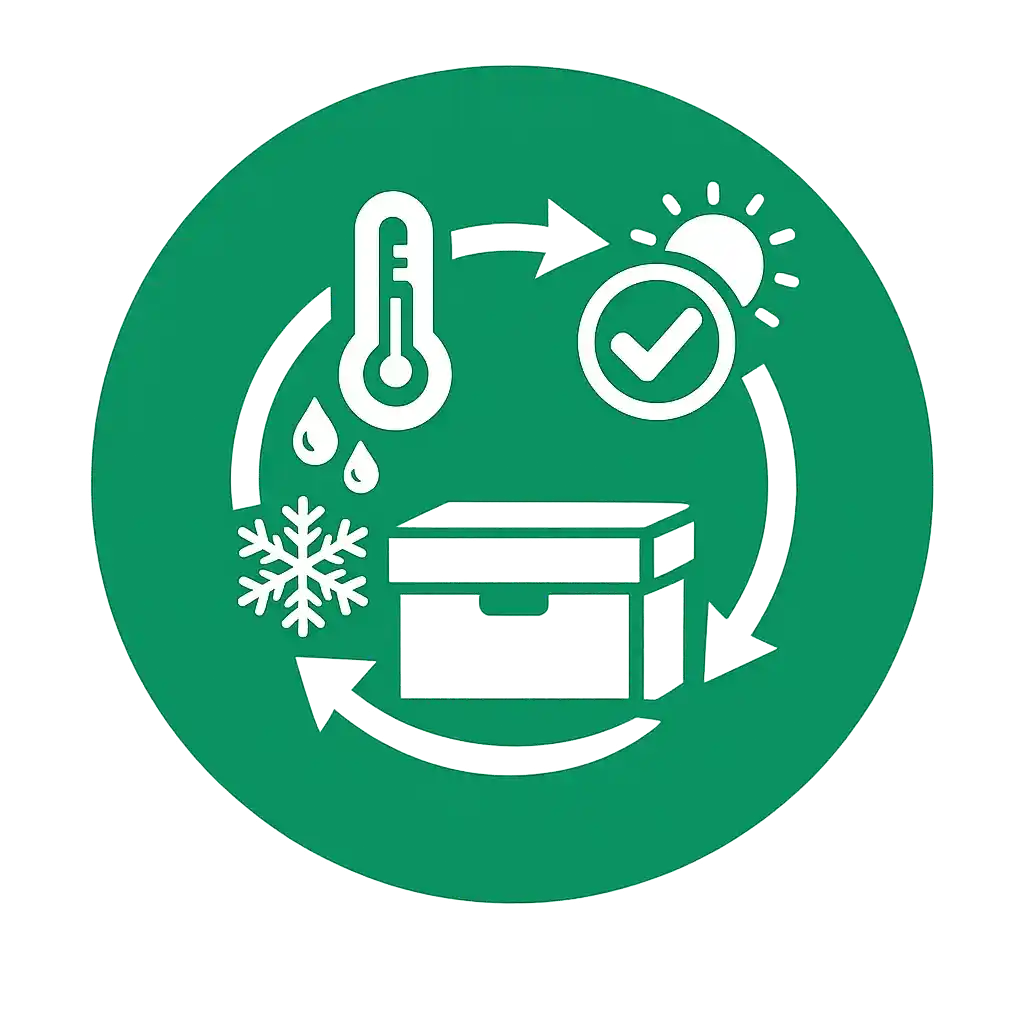
Ideal climate: 23°C, 50% RH
See the quality for yourself — free samples & test reports
Request free samples of standard sizes, batch test reports or a third-party inspection arrangement — our export team replies within 24 hours.